SUNSETS
Sunsets are the day’s soft exhale.
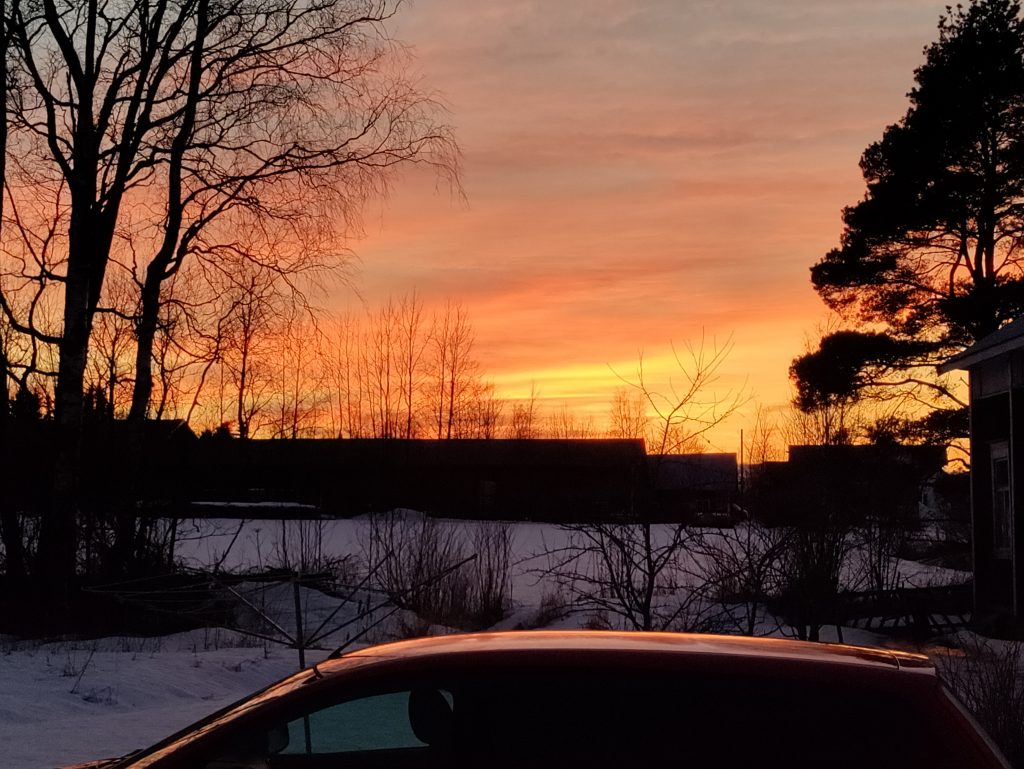
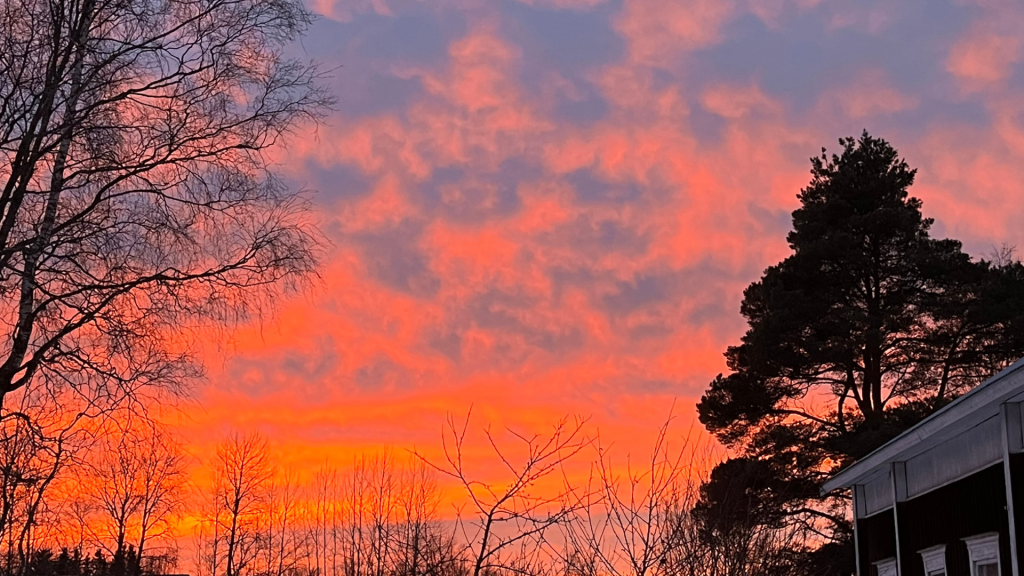
They arrive without asking for attention, yet somehow take all of it. The sky loosens its grip on blue and lets warmer truths rise—embers of orange, bruised purples, quiet pinks that feel almost borrowed from dreams. Nothing about a sunset is rushed. Even when it lasts only minutes, it feels generous, like time slowing down just enough to remind us we’re here.
A sunset doesn’t end the day so much as it edits it. It smooths the sharp edges, forgives what didn’t go right, and casts everything in kinder light. Buildings turn into silhouettes. Faces become stories instead of details. The world briefly agrees to be simple.
There’s something grounding about watching the sun sink.It reminds us that endings don’t have to be loud or dramatic to be meaningful. Some endings glow. Some endings whisper. And some, like sunsets, promise that tomorrow will begin again quietly, inevitably, beautifully.
Sunsets feel like shared secrets. Strangers stop scrolling, stop talking, stop moving just to look at the same sky for a moment. For a brief stretch of time, everyone is watching the same thing, from different angles, with different thoughts, yet somehow together.
They’re proof that light has emotions. Gold feels hopeful. Red feels restless. Purple feels reflective, like the sky thinking about itself. Clouds become brushstrokes, careless and perfect at the same time, as if the sun is painting until the very last second.
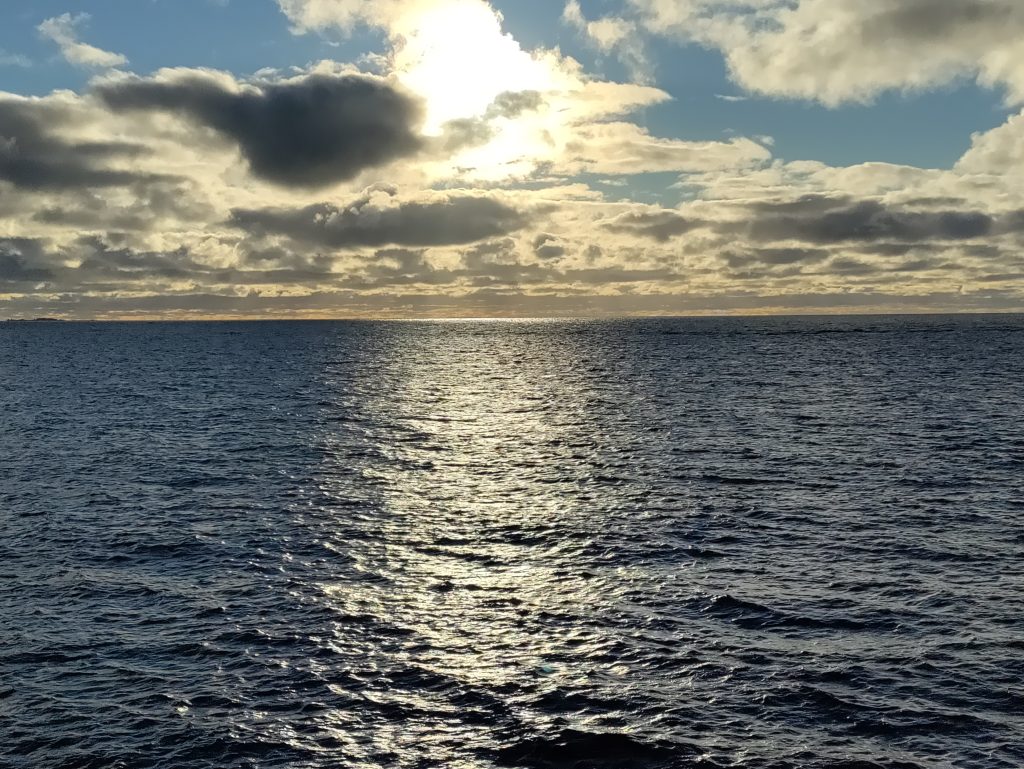
Sunsets make distance feel smaller. Mountains flatten into shadows. Oceans turn to molten glass. Cities soften, as if even concrete needs rest. The noise of the world dims while the colors turn the volume up.
There’s also something nostalgic about them. Even when you’re seeing one for the first time, it feels familiar like you’ve been here before, or dreamed of it. They carry memories you can’t quite place: summers ending, long walks home, car windows down, music playing low.
And maybe that’s why sunsets matter. They don’t demand anything from us. No productivity. No explanations. Just presence. You can watch one alone or with someone you love, and it will meet you exactly where you are.
Sunsets are moments that refuse to be owned. You can photograph them, write about them, chase them across cities and coastlines—but they’re never quite yours. They exist once, exactly where you are, and then they’re gone. That’s part of the magic.
They teach patience. You can’t rush a sunset. If you look away too long, you miss the best part—the split second when the sky catches fire and everything feels suspended. It rewards the people who stay.
Sunsets also blur the line between day and night, certainty and mystery. They’re neither beginning nor ending, just transition. A soft threshold where the world decides what it’s going to become next.
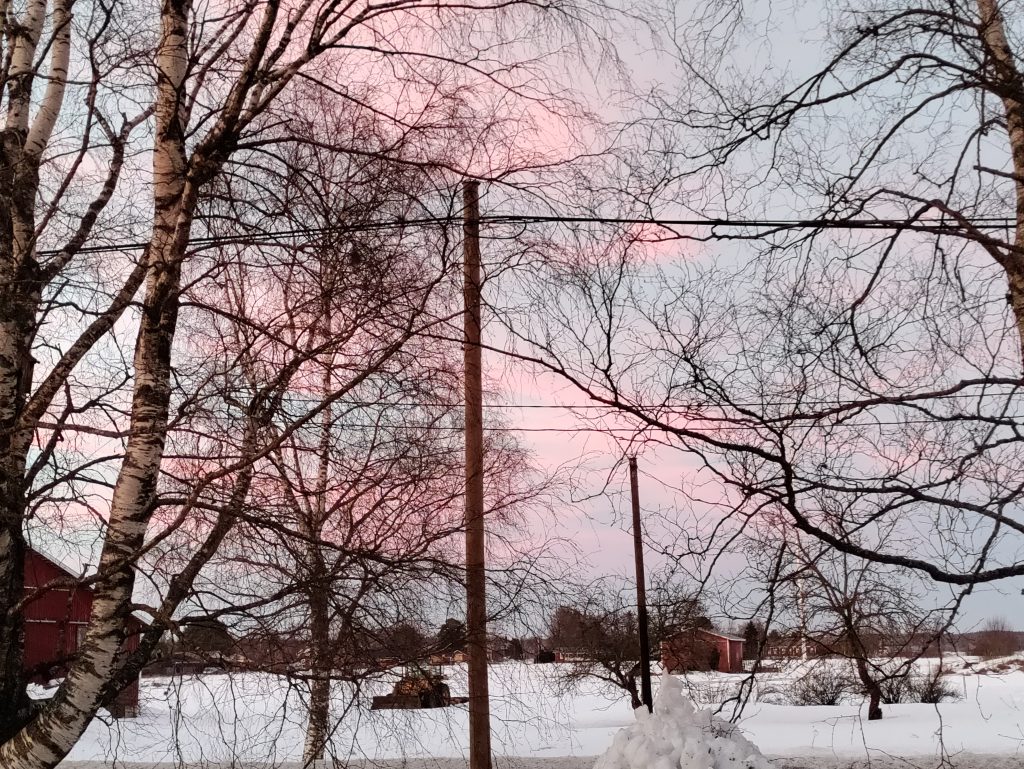
Sometimes they feel celebratory—loud colors, dramatic clouds, a sky that seems to perform. Other times they’re quiet, almost shy: pale gradients, thin light, the kind that makes you lower your voice without knowing why. Both are honest. Both count.
And there’s something deeply human about stopping for a sunset. It’s a small rebellion against urgency. Against deadlines. Against the idea that every moment must be useful. Watching the sun go down does nothing for productivity—but it does everything for perspective.
The sun sets every day whether anyone is watching or not. But when you do watch, it feels like a reminder: beauty doesn’t need an audience, yet it still shows up.
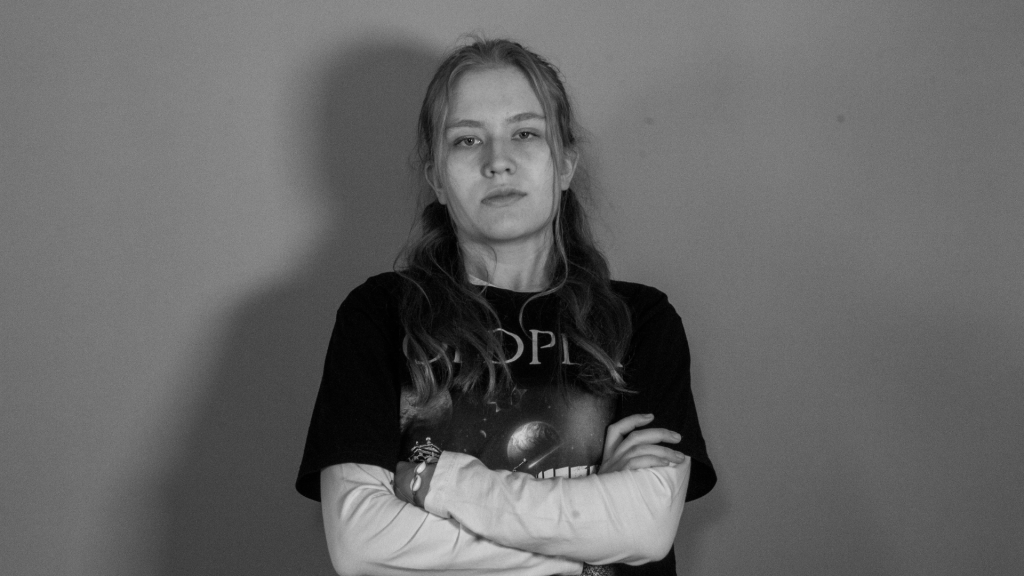
Emilia Björknäs
Sunset lover <3